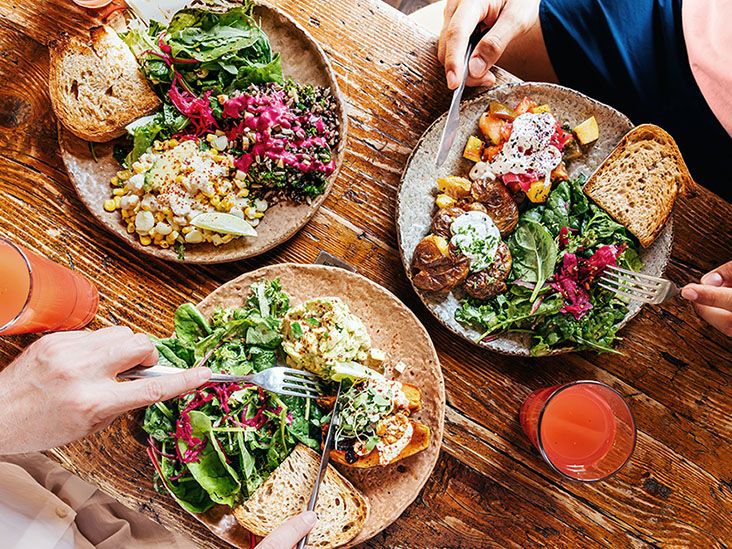
Embracing a Vegan Healthy Meal Plan: Your Guide to Vibrant Living
Embarking on a journey with a vegan healthy meal plan doesn't have to be daunting. In fact, it's an empowering step towards a lifestyle that prioritizes your well-being, the planet, and ethical values. The beauty of a well-structured plant-based eating strategy lies in its simplicity and profound impact. By dedicating a little time to organize your meals in advance, you unlock a host of benefits: saving precious time during busy weekdays, significantly reducing food waste, and most importantly, ensuring your body receives all the essential nutrients it needs to thrive.
Whether you're a curious beginner dipping your toes into plant-based eating or a seasoned vegan seeking to streamline your daily routine, this comprehensive guide will illuminate the path to crafting a delicious and nutritious vegan healthy meal plan that keeps both your body and taste buds incredibly happy. Let's delve into why making this dietary shift is one of the best decisions you can make.
The Transformative Power of a Vegan Healthy Meal Plan
Transitioning to a vegan diet is far more than just altering your grocery list; it's a holistic shift that resonates across multiple facets of your life. It’s an intentional choice that can profoundly boost your physical health, significantly lessen your environmental footprint, and align your daily actions with deeply held ethical convictions. Understanding these multifaceted advantages can provide the motivation and clarity needed to commit to a truly effective vegan healthy meal plan.
Unlocking Optimal Health: The Benefits for Your Body
A thoughtfully designed vegan healthy meal plan is a powerhouse of nutrition, packed with an abundance of fruits, vegetables, whole grains, legumes, nuts, and seeds. These nutrient-dense foods are the building blocks for exceptional health and vitality.
- Enhanced Heart Health: Numerous studies consistently link plant-based diets to remarkable improvements in cardiovascular well-being. By naturally being lower in saturated fat and cholesterol, a vegan diet helps reduce LDL cholesterol (often termed "bad" cholesterol) and maintain healthy blood pressure levels. The high fiber content found in plant foods, coupled with a rich array of antioxidants (think vibrant berries, leafy greens, and whole grains), works synergistically to keep your arteries clear and your heart functioning with peak efficiency. This translates to a reduced risk of heart disease, stroke, and other related conditions.
- Sustainable Weight Management: One of the often-celebrated benefits of adopting a vegan healthy meal plan is its efficacy in managing or losing weight without the need for restrictive calorie counting. Whole plant foods are naturally lower in caloric density but exceptionally high in fiber. Fiber promotes satiety, meaning you feel fuller for longer, which naturally curbs overeating and unhealthy snacking. Furthermore, a diverse plant-based diet supports a healthier gut microbiome, which plays a crucial role in metabolism and weight regulation.
- Reduced Risk of Chronic Diseases: The protective power of a well-rounded vegan diet extends to reducing the risk of a variety of chronic conditions. Research indicates a significant decrease in the likelihood of developing type 2 diabetes, certain types of cancers (especially colorectal, breast, and prostate cancers), and kidney-related issues. The abundance of phytonutrients, anti-inflammatory compounds, and antioxidants present in plant foods actively shields your body from cellular damage, oxidative stress, and chronic inflammation – key drivers of disease development.
- Improved Gut Health: A diverse plant-based diet feeds your beneficial gut bacteria with a wide array of prebiotics and fiber, leading to a flourishing gut microbiome. A healthy gut is linked to better digestion, enhanced immune function, and even improved mood and cognitive health.
A Planet-Friendly Plate: Veganism's Environmental Impact
Beyond personal health, embracing a vegan healthy meal plan is arguably one of the most impactful personal choices you can make to protect our planet. By choosing to eliminate animal products, you are directly contributing to a more sustainable and equitable future.
- Shrinking Your Carbon Footprint: Livestock farming is a major contributor to greenhouse gas emissions, surpassing the emissions from all global transportation combined. This includes methane from animal digestion, nitrous oxide from manure, and carbon dioxide from deforestation for grazing land. According to comprehensive research, switching to a vegan diet can slash your personal carbon footprint by up to 73%, making it a powerful tool in the fight against climate change.
- Conserving Precious Water Resources: Animal agriculture is notoriously water-intensive. To put it into perspective, it takes over 1,800 gallons of water to produce just one pound of beef, while an equivalent amount of grains or vegetables requires only a fraction of that. Adopting a vegan diet dramatically reduces your water usage, easing the strain on vital freshwater supplies and mitigating issues like water scarcity and drought.
- Decreasing Deforestation and Protecting Biodiversity: Vast tracts of rainforests and other crucial ecosystems are cleared annually to create pastures for grazing livestock or to cultivate crops (like soy and corn) to feed farmed animals. This rampant deforestation leads to habitat destruction, species extinction, and significant biodiversity loss. By embracing a plant-based diet, you directly help reduce the demand that drives this environmental devastation, supporting the preservation of our planet's precious natural habitats and the diverse life they sustain.
Beyond the Plate: Ethical & Practical Aspects of a Vegan Healthy Meal Plan
While health and environmental benefits are compelling, many find the ethical considerations of veganism equally motivating. Moreover, successful implementation requires practical strategies.
Ethical Considerations: Compassion in Every Bite
For many, a vegan healthy meal plan is a deeply ethical choice rooted in compassion for animals. It’s a stance against the often cruel and unsustainable practices of factory farming, which inflict immense suffering on animals and treat sentient beings as commodities. By choosing plant-based foods, individuals align their diet with a philosophy that respects animal rights and seeks to minimize harm.
Practical Tips for a Successful Vegan Healthy Meal Plan
Adopting a vegan diet doesn't have to be complicated. Here are some actionable tips to ensure your vegan healthy meal plan is both delicious and nutritionally complete:
- Start Gradually: Don't feel pressured to go 100% vegan overnight. Try incorporating a few plant-based meals each week, or focus on one mealtime (like vegan breakfasts) before expanding. Gradual changes are often more sustainable.
- Focus on Whole, Unprocessed Foods: While there are many vegan processed foods available, prioritize whole plant foods for optimal health. Think fresh fruits, vegetables, whole grains (quinoa, brown rice, oats), legumes (lentils, beans, chickpeas), nuts, and seeds.
- Ensure Nutrient Density: Pay attention to key nutrients.
- Vitamin B12: This is the only vitamin that cannot be obtained reliably from plant foods. Supplementation is crucial.
- Iron: Excellent plant-based sources include lentils, spinach, tofu, and fortified cereals. Pair iron-rich foods with Vitamin C (e.g., citrus fruits, bell peppers) to enhance absorption.
- Calcium: Found in fortified plant milks, tofu (calcium-set), leafy greens, and sesame seeds.
- Omega-3 Fatty Acids: Flaxseeds, chia seeds, walnuts, and algal oil are great sources.
- Vitamin D: Get sun exposure or supplement, especially in colder climates.
- Embrace Meal Prep: Dedicate a few hours one day a week to chop vegetables, cook grains, and prepare dressings or sauces. This will make assembling quick, healthy meals effortless during busy weekdays and prevent last-minute unhealthy choices.
- Explore Global Cuisines: Many traditional cuisines around the world are naturally plant-based or easily adaptable (Indian, Mediterranean, Ethiopian, Mexican). This opens up a world of exciting flavors and ingredients.
- Stay Hydrated: Always keep water as your primary beverage. Proper hydration is essential for digestion, energy levels, and overall bodily functions.
- Seek Support and Resources: Join online communities, follow vegan food bloggers, and explore cookbooks. If you have specific dietary concerns or health conditions, consider consulting a registered dietitian who specializes in plant-based nutrition.
Crafting Your Own Vegan Healthy Meal Plan: Getting Started
Creating your personal vegan healthy meal plan is an exciting and empowering step. It's about finding what works best for your taste preferences, lifestyle, and nutritional needs. Start by identifying your favorite plant-based foods and build from there. Experiment with new recipes, textures, and flavors. Remember, variety is key to ensuring a broad spectrum of nutrients.
To dive deeper into specific recipes and weekly structures, be sure to check out vegan healthy meal plan - Article 2, which offers delicious breakfast and lunch ideas, and vegan healthy meal plan - Article 3 for dinner and snack inspiration. These companion articles will provide practical examples to help you seamlessly integrate a healthy vegan lifestyle into your routine.
Ultimately, a well-thought-out vegan healthy meal plan offers a pathway to a life brimming with vitality, a clearer conscience, and a significant positive impact on our precious planet. It's a journey of discovery that rewards you tenfold with every nourishing, plant-powered meal.
