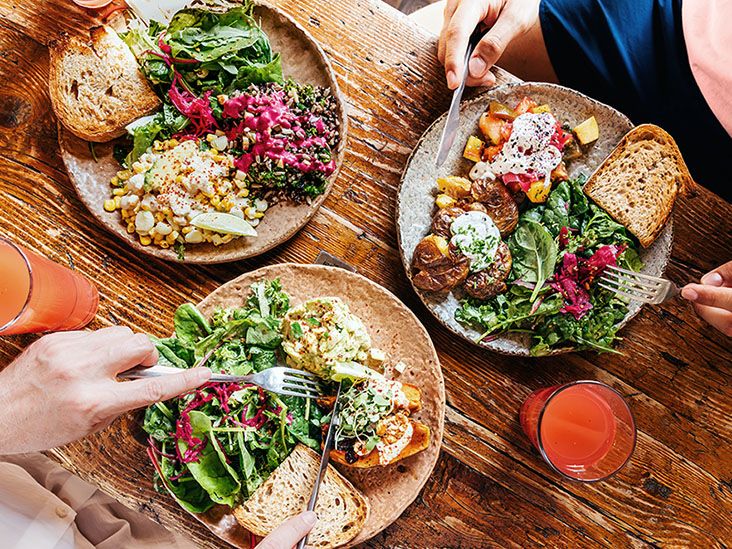
Unlock Optimal Health and Sustainability with a Vegan Healthy Meal Plan
Embarking on a plant-based journey doesn't have to be complicated, especially when you have a clear roadmap. A well-structured vegan healthy meal plan can transform your approach to food, making nutritious eating both simple and enjoyable. Whether you're a seasoned vegan looking to refine your routine or a curious beginner eager to explore the benefits, strategic meal planning is your secret weapon. By organizing your meals in advance, you'll not only save precious time and reduce food waste but also guarantee your body receives the vital nutrients it needs to thrive. It's about creating balanced, delicious dishes that seamlessly fit your lifestyle while aligning with your health aspirations, ethical convictions, or environmental goals.
Beyond the Plate: Why Choose a Vegan Healthy Meal Plan?
Adopting a vegan diet extends far beyond merely altering your grocery list; it signifies a conscious lifestyle shift with profound impacts. The decision to embrace a plant-based vegan healthy meal plan offers a compelling array of benefits, from supercharging your physical health to making a tangible difference for our planet and honoring ethical considerations. It's a holistic choice that many find empowering and deeply rewarding.
Nourishing Your Body: The Health Advantages of a Plant-Based Diet
A thoughtfully constructed vegan healthy meal plan can work wonders for your well-being. By prioritizing a diverse range of fruits, vegetables, whole grains, legumes, nuts, and seeds, you're fueling your body with nutrient-dense foods that lay the foundation for optimal health.
- Enhanced Heart Health: Numerous studies have linked a plant-based diet to significant improvements in cardiovascular health. This is primarily due to its ability to lower LDL (the "bad") cholesterol levels and reduce blood pressure. Foods rich in soluble fiber and antioxidants, such as leafy greens, vibrant berries, oats, and beans, play a crucial role in maintaining clear arteries and ensuring your heart functions efficiently. This dietary approach can be a powerful preventative measure against heart disease.
- Effective Weight Management: Compared to diets heavy in animal products, vegan diets are often naturally lower in calories and saturated fat, making them an excellent strategy for managing or losing weight without resorting to restrictive portion control. Furthermore, whole plant foods are brimming with fiber, which promotes satiety, keeping you feeling full and satisfied for longer periods. This reduces the likelihood of reaching for unhealthy, calorie-dense snacks between meals.
- Reduced Risk of Chronic Diseases: A well-rounded vegan healthy meal plan has been shown to significantly decrease the risk of developing several chronic conditions, including type 2 diabetes, certain types of cancer, and kidney-related issues. The abundance of phytonutrients, antioxidants, and anti-inflammatory compounds found in plant foods helps protect your cells from damage, combat inflammation, and strengthen your body's natural defenses against oxidative stress. Many individuals also report improved digestion and gut health due to the increased fiber intake.
A Planet-Friendly Plate: Veganism's Environmental Impact
Choosing a plant-based vegan healthy meal plan isn't just good for you; it's one of the most impactful decisions you can make for the health of our planet. By reducing or eliminating animal products from your diet, you directly lessen the strain on vital natural resources.
- Lower Carbon Footprint: Livestock farming is a major contributor to global greenhouse gas emissions, exceeding the combined emissions from all forms of transportation. Research suggests that transitioning to a vegan diet can slash an individual's carbon footprint by as much as 73%. Each plant-based meal helps mitigate climate change.
- Conserving Precious Water: Animal agriculture is notoriously water-intensive. Producing just one pound of beef, for instance, can require over 1,800 gallons of water, a staggering amount compared to the fraction needed for grains or vegetables. A plant-based diet significantly reduces your water footprint, helping to conserve this invaluable resource.
- Decreasing Deforestation: Vast areas of forests, particularly in biodiversity-rich regions like the Amazon, are cleared at an alarming rate to create space for cattle grazing or to cultivate crops primarily intended as feed for livestock. By embracing a plant-based diet, you help reduce the global demand that drives this deforestation, thereby protecting critical ecosystems, preserving biodiversity, and safeguarding the planet's lungs.
A collective shift towards plant-based eating has the potential to reshape our world, protecting delicate ecosystems, enhancing biodiversity, and significantly reducing the adverse outcomes of climate change. For more on getting started with plant-based nutrition, explore our introductory guide: vegan healthy meal plan - Article 1.
Practical Tips for Crafting Your Vegan Healthy Meal Plan
Designing a sustainable and enjoyable vegan healthy meal plan requires a bit of foresight but pays dividends in the long run. Here are some actionable tips to help you get started and stay on track:
- Start Simple and Gradually Expand: Don't feel pressured to overhaul your entire diet overnight. Begin by incorporating one or two plant-based meals a day or dedicating specific days to vegan eating. As you become more comfortable, you can gradually expand your repertoire.
- Focus on Nutrient Density: While a vegan diet is inherently healthy, ensuring you get all essential nutrients is crucial. Pay attention to sources of Vitamin B12 (fortified foods or supplements), iron (lentils, spinach, tofu, paired with Vitamin C), calcium (fortified plant milks, leafy greens, fortified orange juice), Omega-3s (chia seeds, flax seeds, walnuts), and Vitamin D (sun exposure, fortified foods, supplements).
- Embrace Batch Cooking and Meal Prep: Dedicate a few hours each week to prepare staples like cooked grains (quinoa, brown rice), roasted vegetables, chopped salads, or pre-soaked legumes. This makes assembling quick and healthy meals during busy weekdays incredibly easy and prevents impulse unhealthy choices.
- Variety is the Spice of Life (and Nutrition): Eating a wide array of colorful fruits, vegetables, grains, and legumes ensures you receive a broad spectrum of vitamins, minerals, and phytonutrients. It also keeps your meals exciting and prevents palate fatigue.
- Listen to Your Body: Pay attention to how different foods make you feel. Adjust your meal plan based on your energy levels, satiety, and digestive comfort. Everyone's nutritional needs are slightly different.
- Explore and Experiment with Recipes: The world of vegan cuisine is vast and delicious! Don't be afraid to try new ingredients, spices, and cooking methods. Cookbooks, food blogs, and online communities are excellent resources for fresh inspiration. For more advanced tips and creative vegan dishes, you might find our follow-up article useful: vegan healthy meal plan - Article 3.
Conclusion
Adopting a vegan healthy meal plan is a powerful decision that benefits not just your personal well-being but also the health of the planet. By making conscious food choices and embracing the abundance of plant-based options, you can enjoy delicious, nutrient-rich meals that support a vibrant, healthy lifestyle while contributing to a more sustainable future. With a little planning and an open mind, embarking on this fulfilling journey can be an accessible and incredibly rewarding experience. Take the first step today towards a healthier you and a healthier world.
